Posts tagged ‘Eye Clinic’
Ghana Eye Clinic – Day 4
Wow! It was a busy day! Today, we saw 442 people, shared the gospel with them, and gave away 357 pairs of glasses. The word is getting around to many communities in Accra about our eye clinic. We expect another busy day tomorrow! Check out the pictures and stories from today.
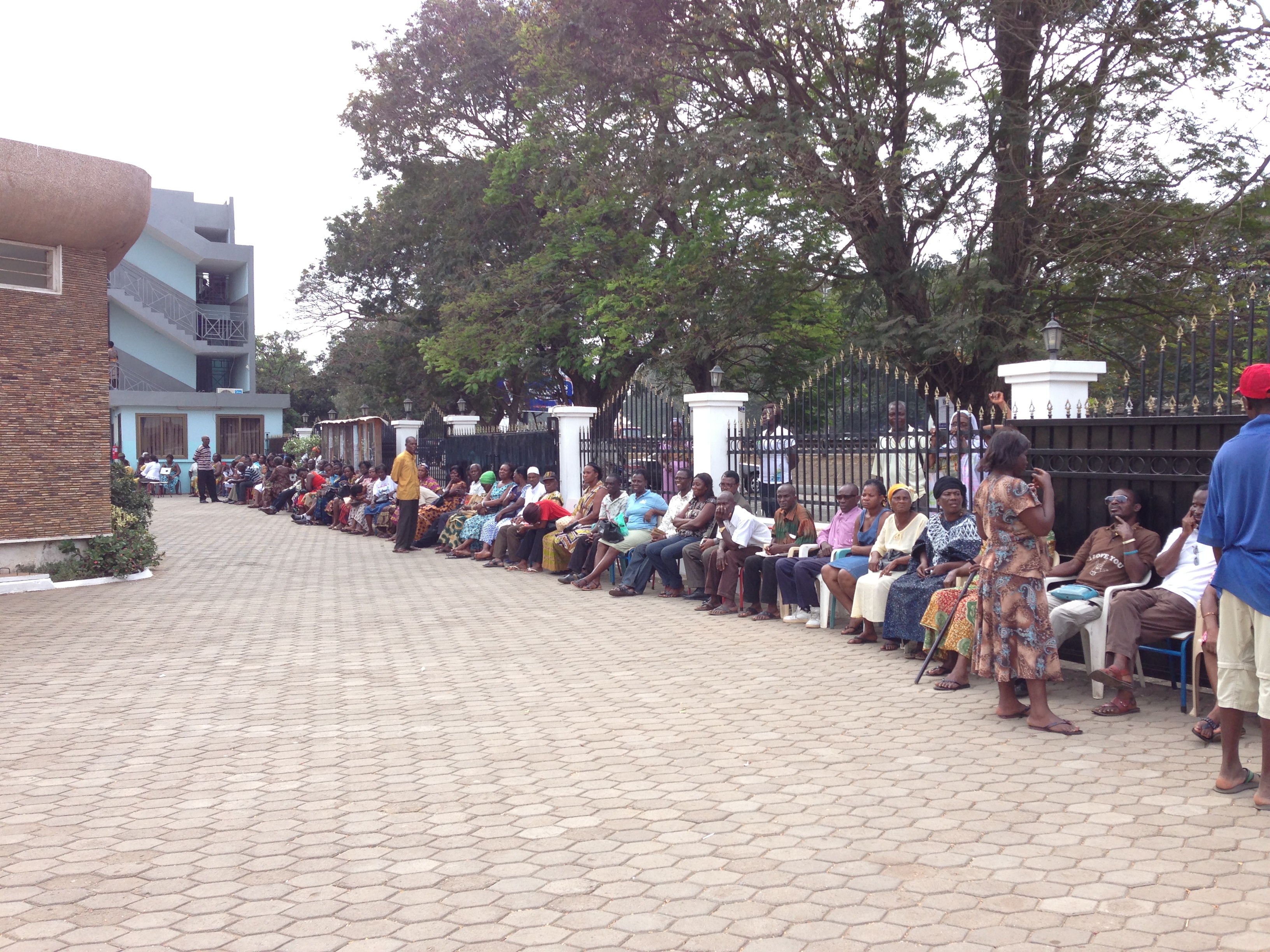
This was the scene outside this morning as we arrived. There were 100 people waiting an hour before the clinic.

This was the scene inside as soon as the clinic opened.

One of the local pastors talks with a man about his vision problems.
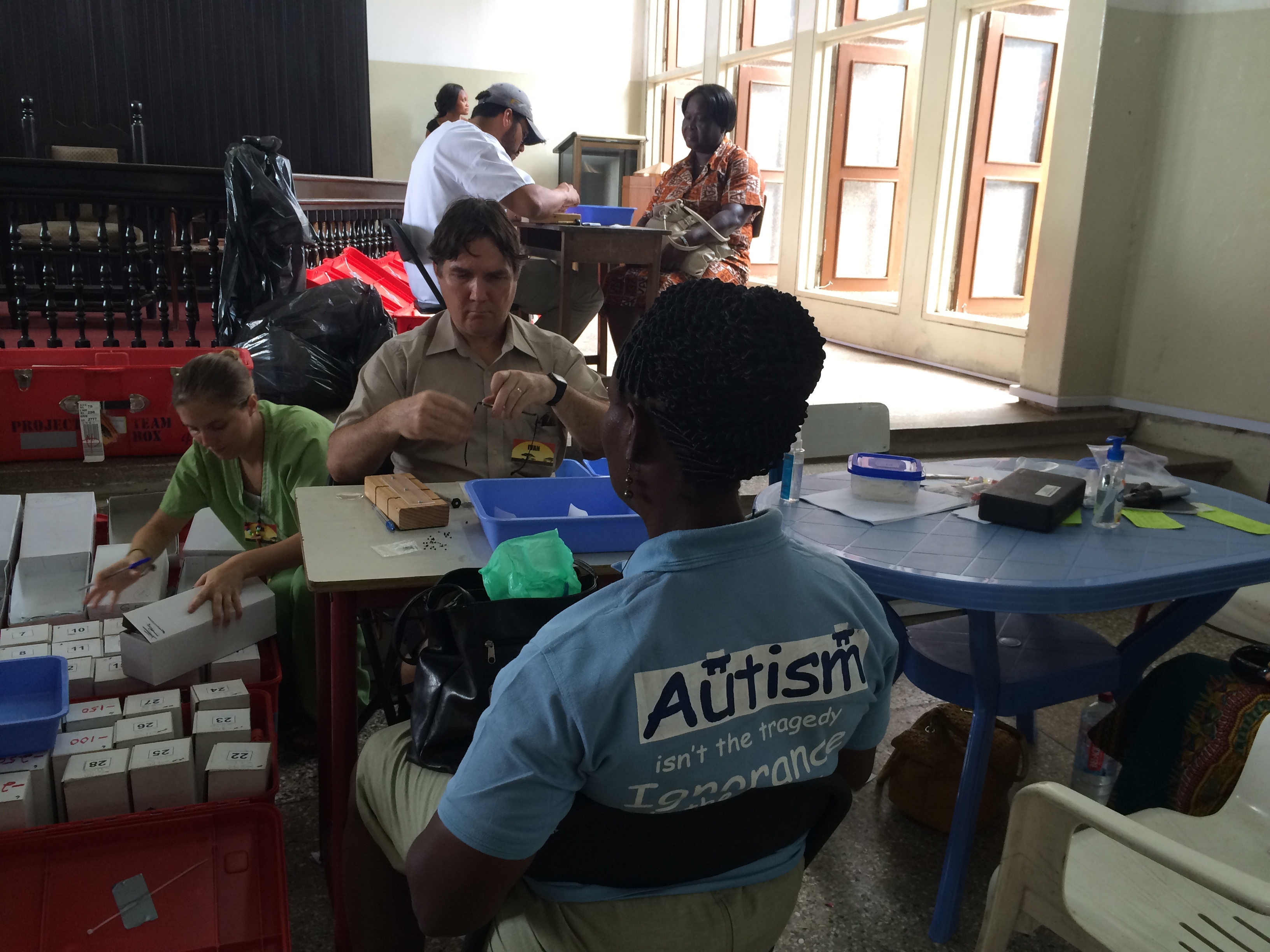
Our host, Ivan, is hard at work making a pair of glasses.
The kids at St. Paul Lutheran Church hosted a performance in their courtyard today. Line dancing isn’t just country dance halls, it’s for school kids in Accra too!

Tristina shares the gospel with a man and prays for him.
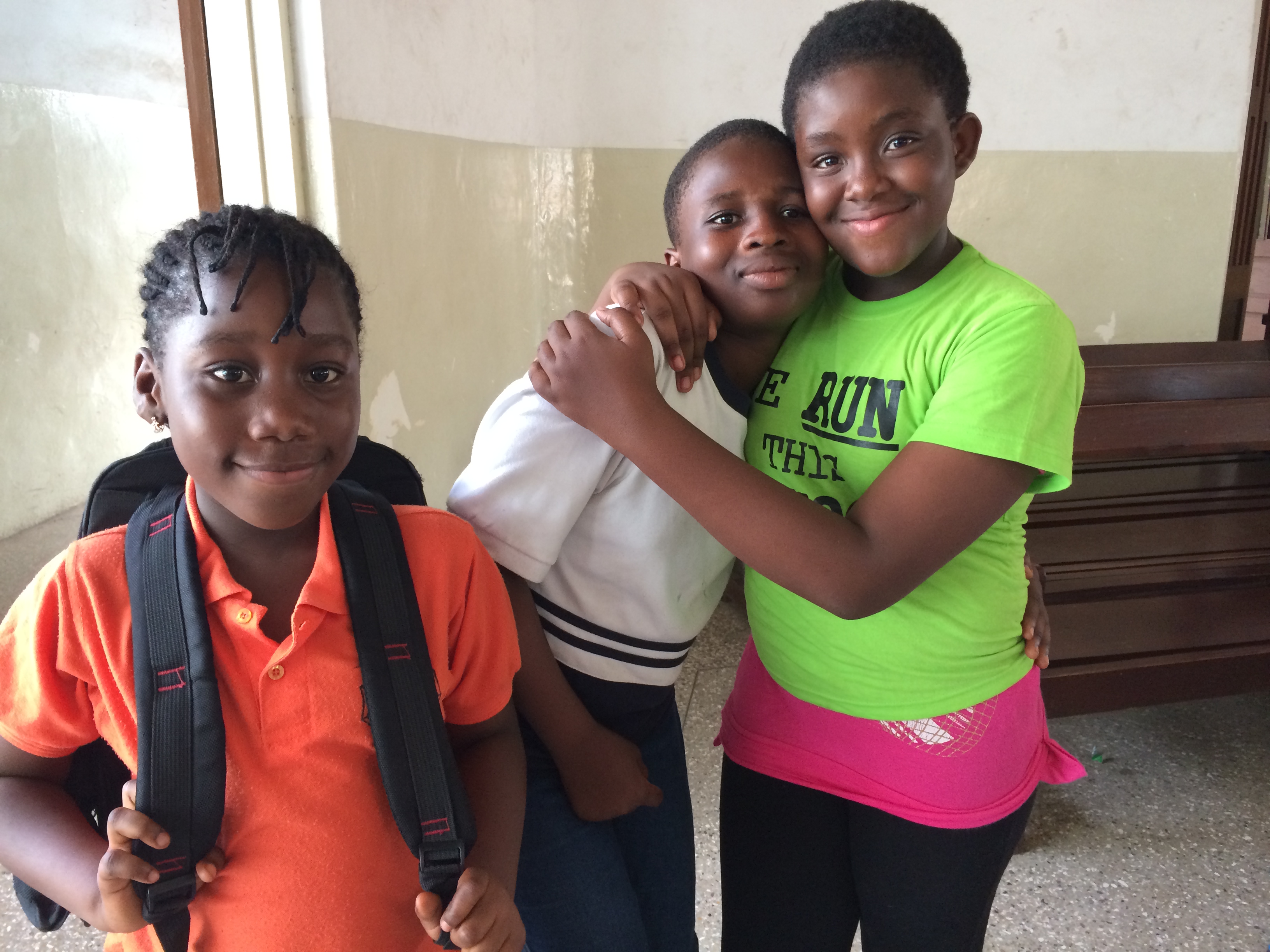
We have made lots of new friends and seen lots of precious smiles on this trip!

Michael works with a woman to discover just the right pair of lenses for her new glasses.

Even at the end of the day, the kids of St. Paul still had plenty of energy. They were literally doing cartwheels!

The school kids had plenty of energy, but we didn’t. Arnold, Pam, and Tristina still had smiles on their faces, though, even after a long day.

At the end of a long day, a little help is always a good thing!
There’s more to come tomorrow!
Ghana Eye Clinic – Day 2
We’re all settled in and things are going great! Today, we saw 256 people and shared the gospel with each one of them. We also gave away 220 pairs of glasses. Four of the people we saw were deaf. Thankfully, our team leader, Julie, is great with sign language! Our clinic closed a little early because Ghana was playing against Egypt in a big football game (that would be “soccer” to us), qualifying them for the World Cup. After our day at the clinic, we stopped by some local markets and perused some of the local wares.
Here are some pictures. I’ll post more soon.
Does this thing come with a snooze button? Good morning!

If you think San Antonio rush hour is bad, you ought to try morning traffic in Accra!
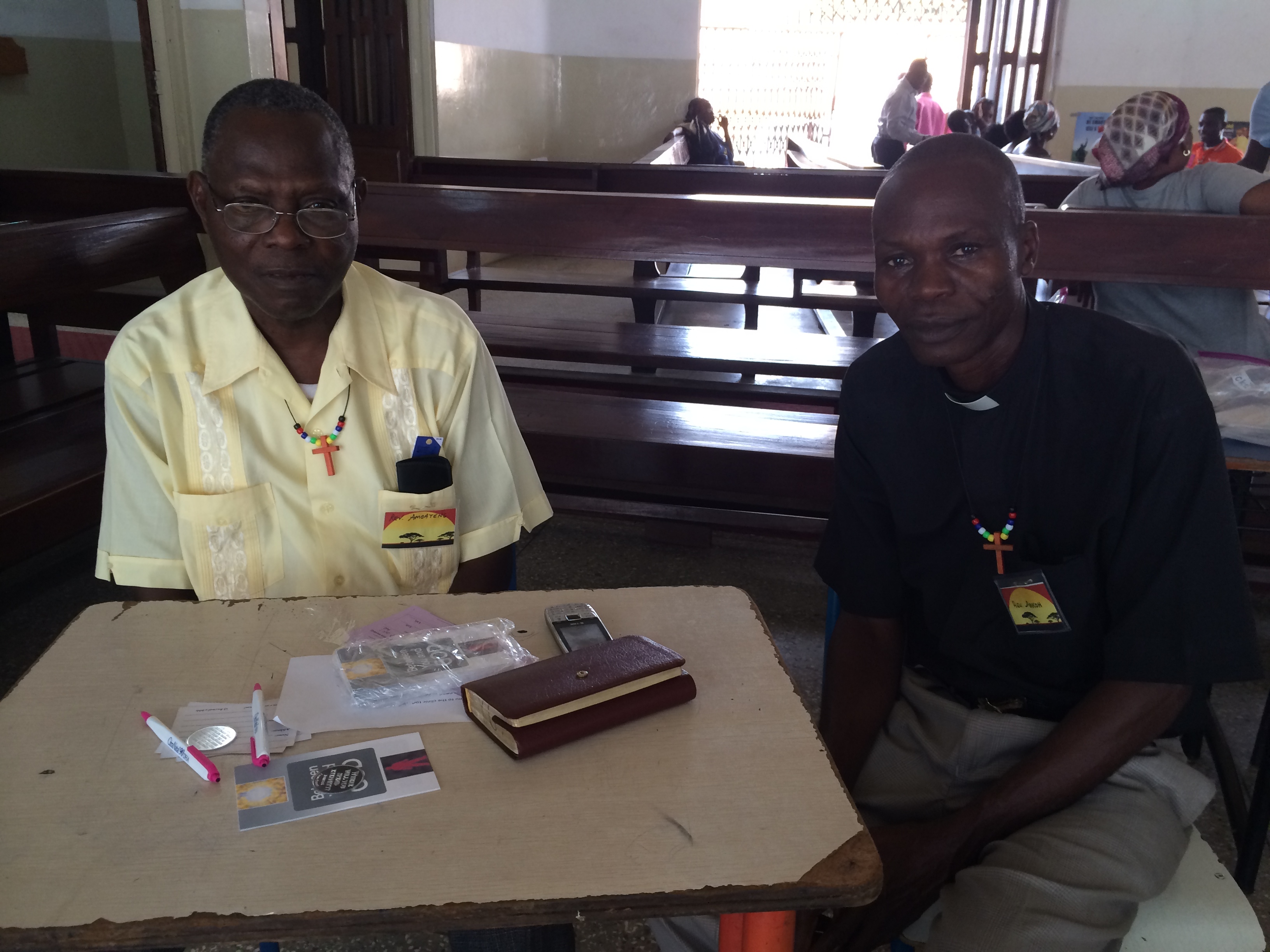
Two terrific pastors assisted in helping triage patients, figuring out what glasses they needed and sharing the gospel with them.

Michael and Arnold are hard at working, making glasses for all sorts of different prescriptions.

Julie signs to a deaf man so he can understand what glasses he needs.
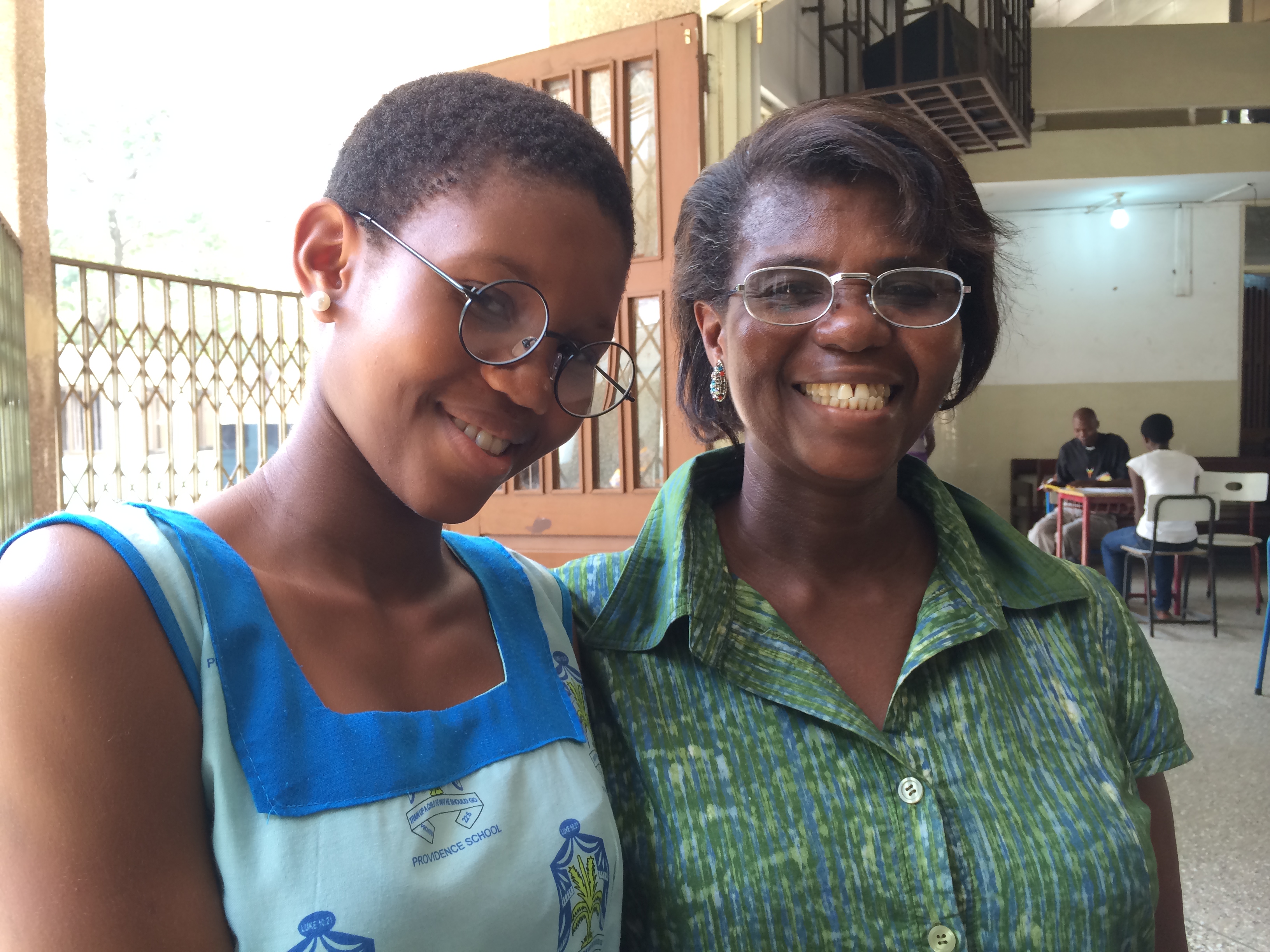
The girl on the left came in yesterday, but we couldn’t offer her treatment without her mother. Today, both mother and daughter came in and received glasses!

I’m pretty sure Julie is working on a passport for this little man so she can bring him home. She didn’t want to let him go!

Pam and our host in Ghana, Ivan, screen people for reading glasses.

There was plenty of fresh fruit at the street market.
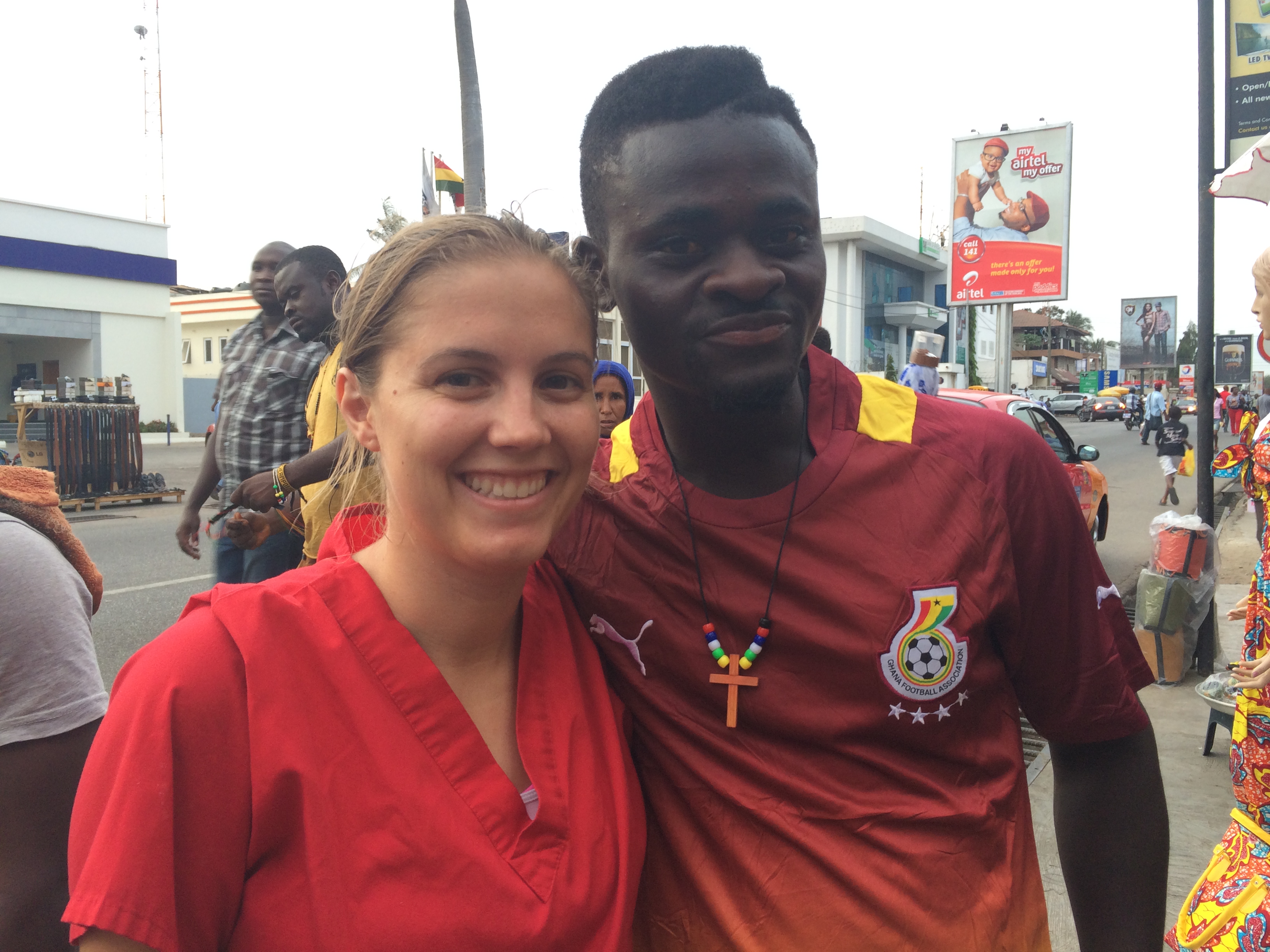
Pam made a new friend with one of the street vendors!
Sightseeing in Ghana
 I’m not in San Antonio anymore, that’s for sure. Instead, I am halfway across the world in Ghana, Africa with a team of my fellow Concordians and, together, we are hosting an eye clinic. There are many people in this region of Ghana in desperate need of glasses. We have the special privilege and pleasure of providing people here with the glasses they need in order to see. In the process, we also get to point people to the One in whom they can see God Himself – Jesus Christ – by sharing the gospel.
As I’ve been working as a part of this vision clinic, I’ve been pondering one of my favorite stories in Scripture:
As [Jesus] went along, He saw a man blind from birth. His disciples asked Him, “Rabbi, who sinned, this man or his parents, that he was born blind?” “Neither this man nor his parents sinned,” said Jesus, “but this happened so that the work of God might be displayed in his life.” (John 9:1-3)
In the ancient world – and especially among the ancient Jews – it was generally presumed that if you faced a trial, a trouble, or an ailment, it was because you had committed some heinous sin to deserve that trial, trouble, or ailment. Your sin and your trouble were intimately and inexorably interwoven in ancient thinking. For instance, Rabbi Ammi wrote, “There is no death without sin, and there is no suffering without iniquity.” If you were suffering, the rabbis taught, it was because you had done something wrong. In fact, some rabbis taught that not only could a person be punished for his own sin, but a child could be punished for his parents’ sin. Some rabbis believed, for example, that the untimely death of a child was the direct result of his mother’s dalliance in idolatry while he was still in the womb! Such was the close correlation between sin and tragedy.
Thus, it is really no surprise that, one day, as Jesus and His disciples are walking around and see a man born blind, the disciples ask: “Rabbi, who sinned, this man or his parents, that he was born blind” (John 9:2)? Jesus’ disciples know the teaching of their Jewish rabbis well. They know a man cannot be born blind unless there is some sin to warrant such blindness.
But what the rabbis assumed about the connection between sin and trouble isn’t what a rabbi named Jesus knows about this blind man’s plight. This is why, instead of pointing to a specific sin committed by this man which had resulted in his blindness, Jesus explains to His disciples: “Neither this man nor his parents sinned, but this happened so that the work of God might be displayed in his life” (John 9:3). This suffering is not the result of this sin or that sin. Rather, God is up to something in this suffering: He is using it to display His work.
The Greek word for “display” is phanero’o, from the word phos meaning, “light.” God, it seems, desires to bring this man darkened by blindness into the light of seeing. But God’s desire centers not only on the light of physical seeing, but on the light of spiritual seeing as well. In other words, Jesus, through His eventual healing of this man born blind, desires to bring this man not only into the light of the sun, but into the light of faith. And this is exactly what happens in the end: “Do you believe in the Son of Man?” Jesus asks. “Lord, I believe,” the man responds (John 9:35, 38). When this man confesses his faith in Christ, he is brought into the light not only physically through the recovering of his sight, but spiritually through his trust in Christ.
All this week in Ghana, our goal is to help people see in two ways – spiritually and physically. I covet your prayers that eyes would be opened – not only by the glasses we share, but by the truth of the Gospel we proclaim!


 Pastor Zach's Blog